When to Visit Yala National Park in 2026: Your Complete Seasonal Safari Guide
Yala National Park is one of Sri Lanka’s most famous wildlife destinations. Knowing the best time to visit helps travellers enjoy better wildlife sightings and more comfortable safari conditions.
Dry Season Safaris Offer the Best Wildlife Sightings
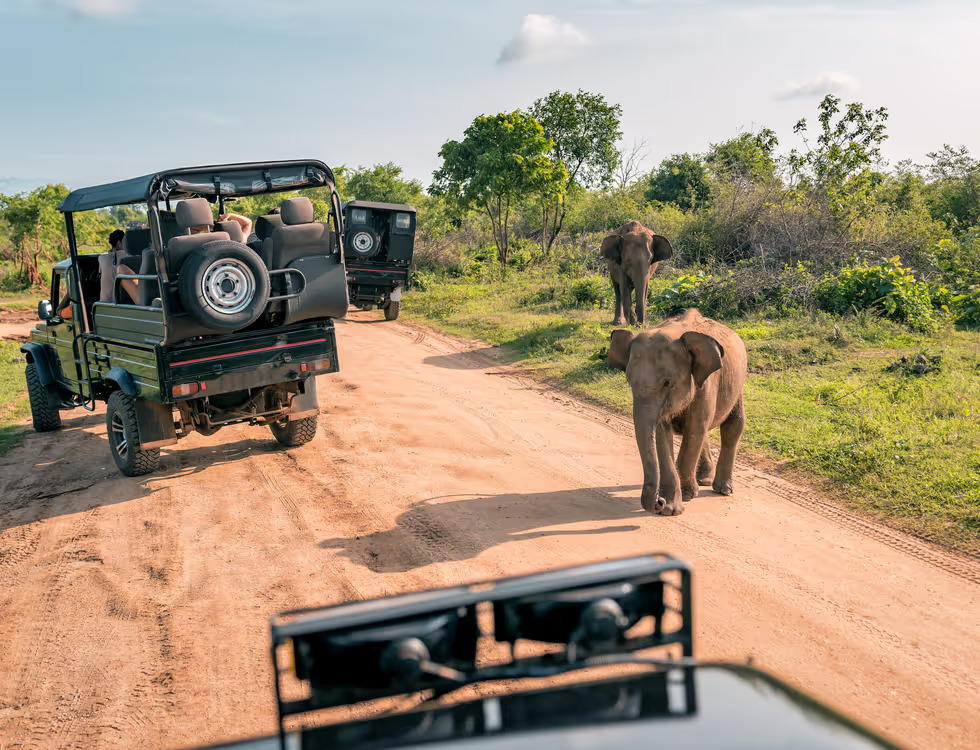
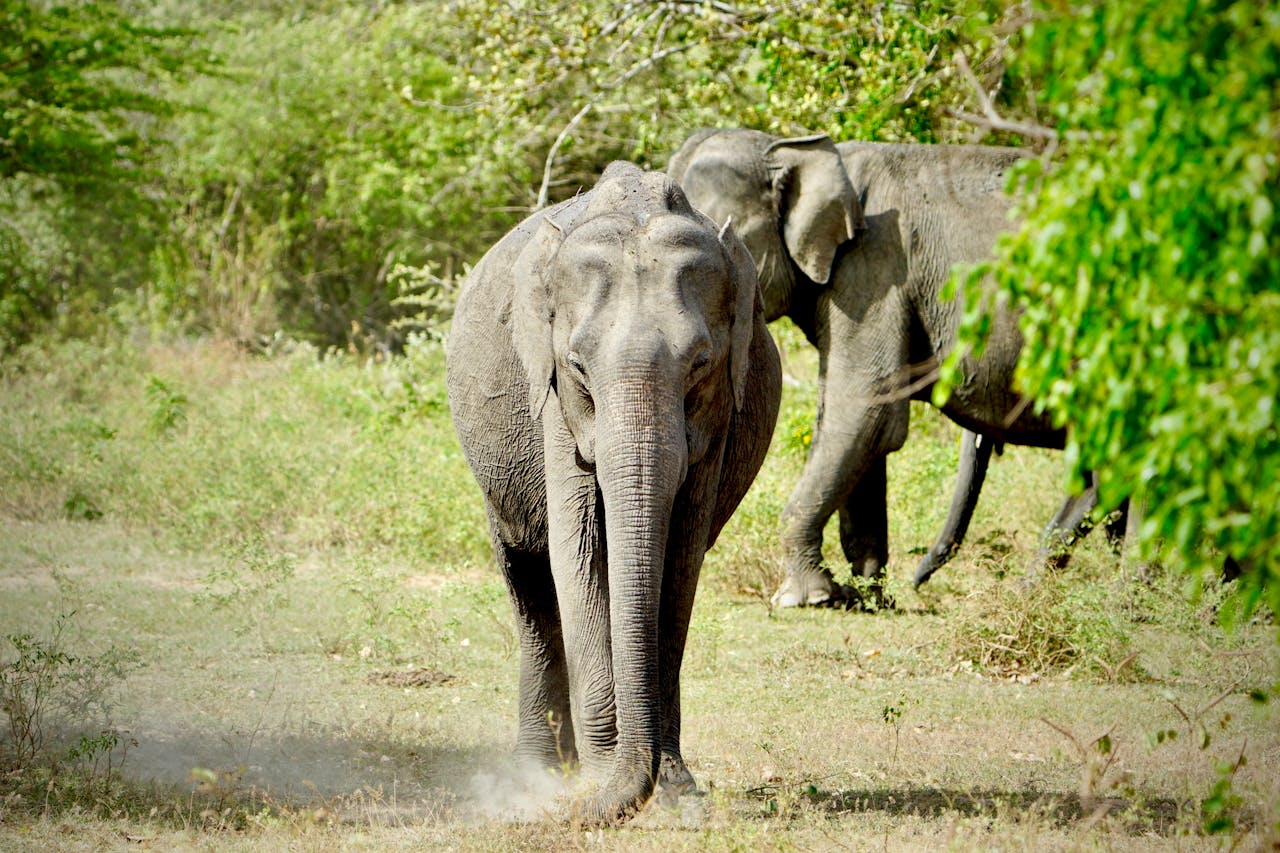
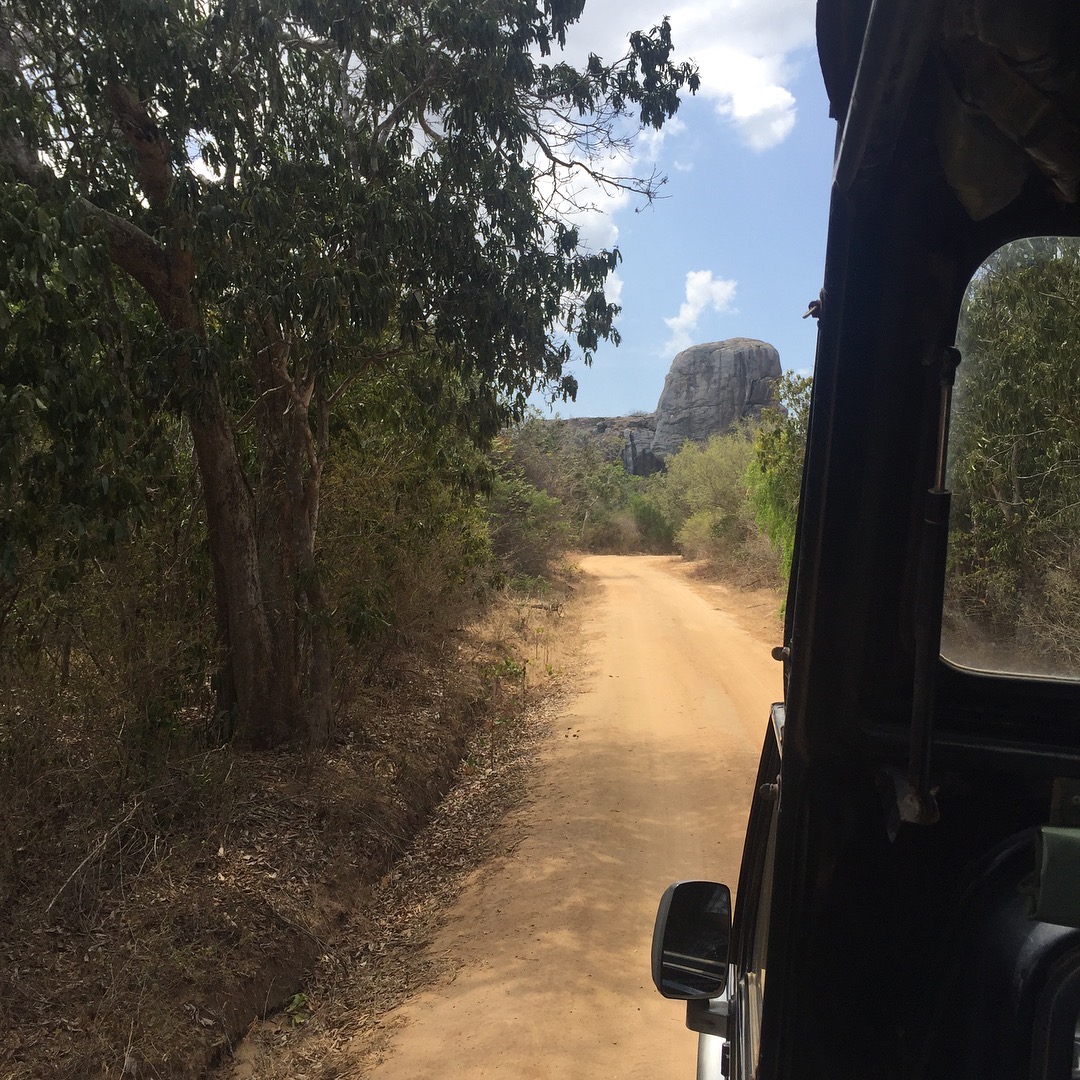
The dry season between February and June is widely considered the best period to explore Yala National Park. During these months, water levels in the park begin to drop, and animals gather near lagoons and waterholes. This makes it easier for visitors to spot elephants, deer, wild boar, and many bird species during a single safari drive. The park is also famous for its leopard population, which attracts wildlife enthusiasts from around the world. Travellers planning safaris often choose hotels near Yala National Park so they can reach the park gates early in the morning when animal activity is highest.
Choosing Comfortable Accommodation Near the Park
Staying close to the park entrance helps visitors make the most of their safari experience. Many travellers prefer hotels close to the national park because most jeep safaris begin at sunrise. Accommodation in nearby towns such as Kataragama and Tissamaharama provides convenient access to the park while also offering peaceful surroundings. One well-known option in the area is Mandara Rosen Kataragama, which offers comfortable rooms and easy travel access to the national park. After an early morning safari, returning to a relaxing place to rest becomes part of the overall travel experience.
Visiting During the Green Season
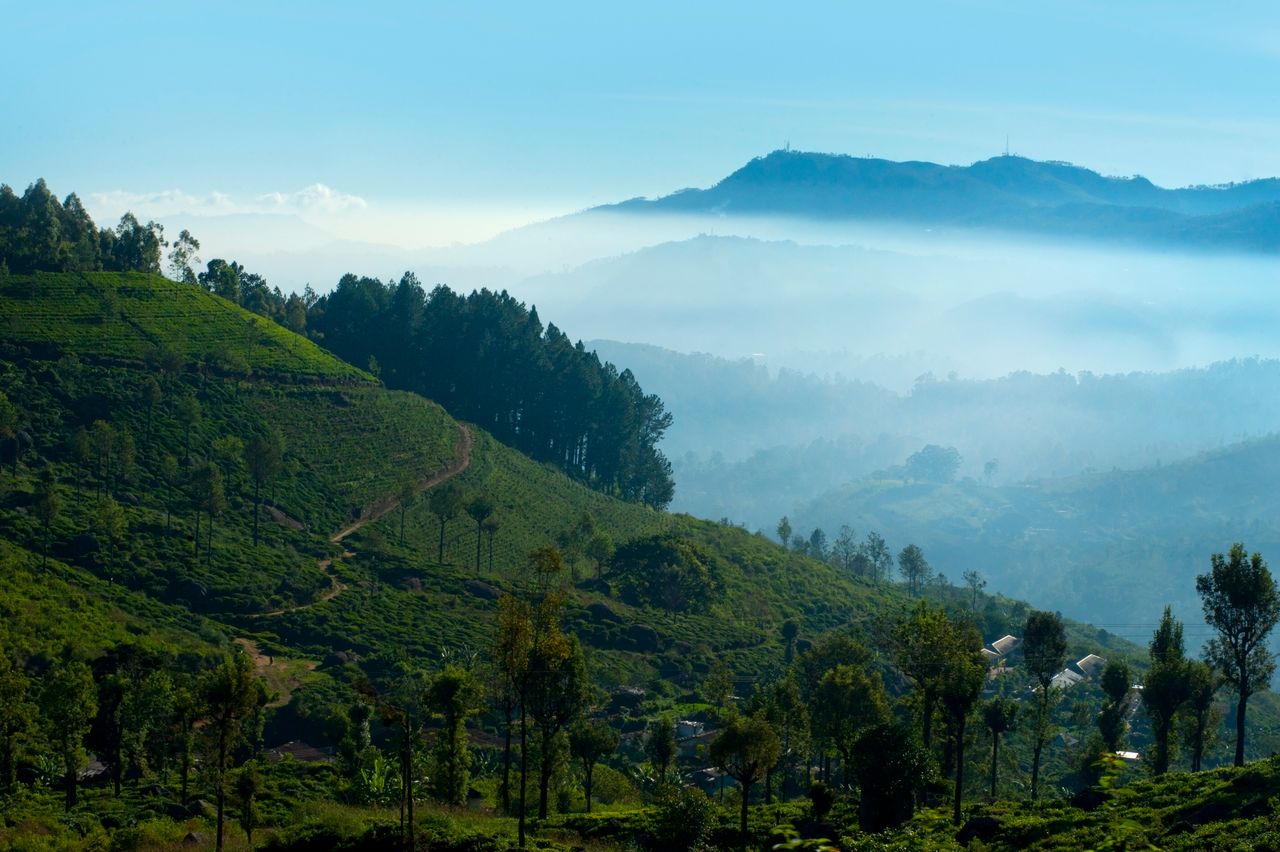
Although the dry months are popular, Yala can also be visited during the greener months between September and January. Rainfall during this time refreshes the landscape and fills the park with lush vegetation. Lakes and lagoons appear fuller, and birdlife becomes more active around these wetlands. While animal sightings can sometimes be less predictable due to the thicker vegetation, the scenery during this season can be very beautiful.
Planning the Perfect Safari Day
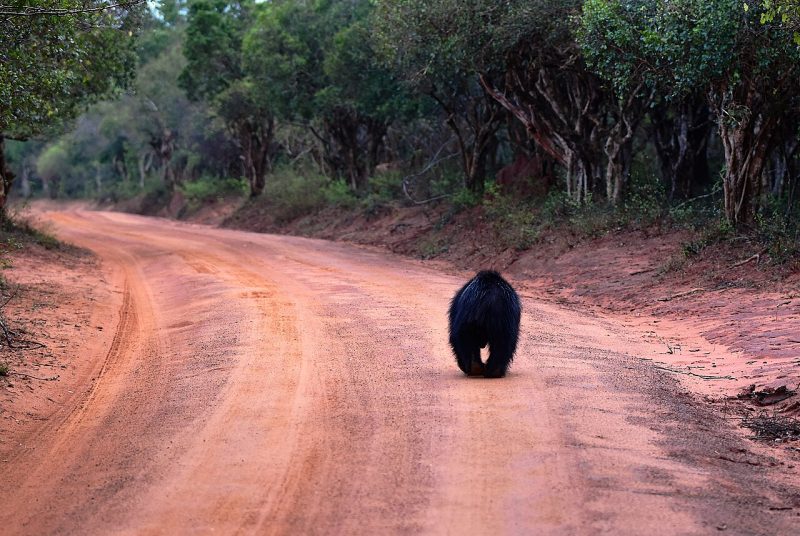
A typical safari in Yala usually takes place either early in the morning or later in the afternoon. Morning safaris often begin around 5:30 am, allowing visitors to enter the park as the sun rises. Afternoon drives provide another opportunity to see wildlife when temperatures begin to drop. Travellers are advised to carry water, wear light clothing, and bring a camera or binoculars to enjoy the experience fully.