Jungle Resorts vs Beach Resorts in Thailand: Which Is Better for Experiential Travel?
Thailand is one of the world’s primary destinations for experiential travel: a style of tourism centred on active participation, nature, and cultural immersion rather than passive sightseeing. Thailand welcomed over 28 million international visitors in recent years, with data showing a steady shift toward activity-focused travel.
When planning a trip, travellers usually choose between two distinct environments: northern jungle resorts or southern beach resorts. Both offer hands-on experiences, but they differ significantly in activities, pricing, and daily pace.
Overview
In Thailand, experiential travel splits between the inland rainforests of the north and the coastal island regions of the south.
Jungle Resorts:
Located in areas like Chiang Rai, Chiang Mai, and Khao Sok National Park. Key activities include wildlife conservation, river navigation, trail hiking, and visits to indigenous mountain villages.
Beach Resorts:
Located along the Andaman Sea and the Gulf of Thailand (Phuket, Krabi, and Koh Samui). Key activities include scuba diving, island navigation, sea kayaking, and marine conservation.
Comparison Table: Jungle Resorts vs Beach Resorts
| Feature | Jungle Resorts | Beach Resorts |
| Primary Setting | Inland rainforests, mountains, and river valleys | Coastlines, islands, and marine parks |
| Core Activities | Wildlife encounters, hiking, village visits | Diving, snorkeling, kayaking, boat trips |
| Average Daily Cost | $350 – $1,200+ per night (often all-inclusive) | $250 – $1,000+ per night (mostly room only) |
| Typical Stay | 2 to 4 nights | 4 to 7 nights |
| Daily Schedule | Fixed, early morning start times | Flexible, self-paced |
| Peak Season | November to April | November to April (West) / May to September (East) |
Accommodation
Both accommodation types focus on close proximity to their environments, but their layouts and builds serve different purposes.
Jungle Resorts
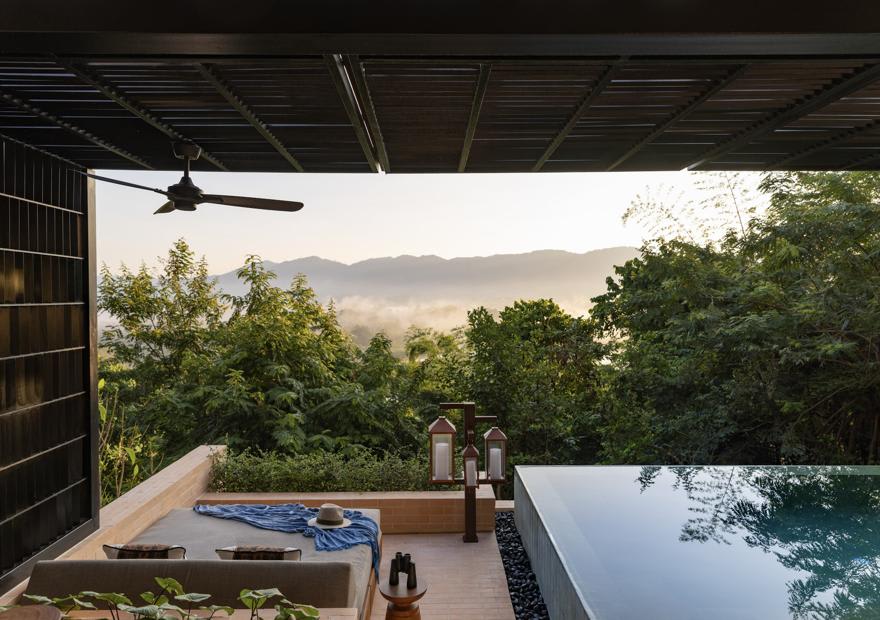
Jungle accommodations use elevated wooden platforms, eco-lodges, and reinforced safari tents built into forest hillsides. Designs emphasise low-impact materials like bamboo and teakwood.
For example, Anantara Golden Triangle Elephant Camp & Resort in Chiang Rai sits on a 160-acre jungle property. It features transparent “Jungle Bubbles”: enclosed, climate-controlled domes that let guests observe rescued elephants roaming the land overnight.
Beach Resorts
Beach accommodations feature low-rise villas, overwater bungalows, and open-air suites facing the sea. Structures focus on direct beach access and outdoor living spaces.
In Krabi, Rayavadee sits inside Krabi’s National Marine Park. The property places circular two-storey pavilions directly within a coconut grove bordered by limestone cliffs, putting guests next to local wildlife and three separate beaches.
Cost
Pricing structures differ significantly between these two resort types.
Jungle Resort Costs
- Rates: $350 to $1,200+ per night.
- Pricing Model: Mostly all-inclusive or semi-inclusive. Rates typically cover room, daily guided excursions, gear, standard transfers, and three daily meals.
- Budget Impact: Higher base cost, but almost all ground expenses are locked in upfront.
Beach Resort Costs
- Rates: $250 to $1,000+ per night.
- Pricing Model: Primarily bed-and-breakfast or room-only.
- Budget Impact: Lower base room rate, but boat rentals, diving trips, gear hire, and off-property meals add up quickly as daily add-ons.
Experiences
The daily activities depend entirely on whether you choose land or water-based environments.
Jungle Experiences
- Elephant Care: Participating in non-riding observation programmes and walking alongside rescued elephants through their natural habitat.
- Guided Trekking: Hiking through national parks with native guides to learn local survival techniques and spot regional plant and animal species.
- Cultural Visits: Visiting nearby hill-tribe communities to observe traditional craft techniques and local cooking methods.
Beach Experiences
- Diving and Snorkelling: Guided trips to protected offshore coral reefs and marine reserves like the Similan or Phi Phi Islands.
- Water Trail Kayaking: Paddling through coastal mangrove systems and limestone sea caves in Phang Nga Bay.
- Marine Conservation: Participating in local coral propagation programmes and sea turtle release initiatives run by marine biologists.
Best For
What are the best experiential resorts in Thailand with unique activities?
The answer depends on what your travel group prioritises most:
- Couples: Jungle resorts suit couples who want isolated locations and structured shared activities. Beach resorts suit couples who prefer flexible daily schedules, water sports, and seaside dining.
- Families: Beach resorts work better for families with young children because calm water swimming and beach play require little organisation. Jungle resorts work best for families with older children who can handle scheduled hikes and early starts.
- Wildlife and Nature Enthusiasts: Jungle resorts are the better choice, offering direct access to land conservation work and rainforest ecosystems.
- Water Sports Enthusiasts: Beach resorts are essential for travellers whose primary goals involve diving, sailing, or coastal paddling.
Conclusion
Choosing between a jungle resort and a beach resort in Thailand comes down to how you want to spend your days. Jungle resorts deliver structured, guide-led active itineraries centred on wildlife and local culture. Beach resorts offer flexible, water-based activities centred on marine life and coastal transport.
If your itinerary allows 7 to 10 days in Thailand, the most practical approach is combining both: book 3 nights at a northern jungle property like Anantara Golden Triangle Elephant Camp & Resort for active guided tours, then spend 4 to 5 nights at a coastal property like Rayavadee for marine activities.