Luxury Travel in Salalah: Beach Resorts, Heritage, Nature, and Wellness
“What are the best luxury resorts in Salalah Oman?” is a question that leads quickly to a wider picture of Dhofar. Oman’s southern capital combines beachfront stays with UNESCO-listed frankincense sites, wadis that turn green during the Khareef, and spa traditions rooted in local resin. Travel writers and regional journalists have covered each of these sides of the city, and their views help shape a well-planned luxury trip.
What the Experts Have to Say
Beachfront Villas with Lagoon Views
“For those seeking the luxury lifestyle, there is only one place to stay. Al Baleed Resort Salalah by Anantara is situated in the heart of the resort, a luxurious haven with uninterrupted panoramic views of the Indian ocean.”
Source: A&E, Lindsay Judge, 2019 (link)
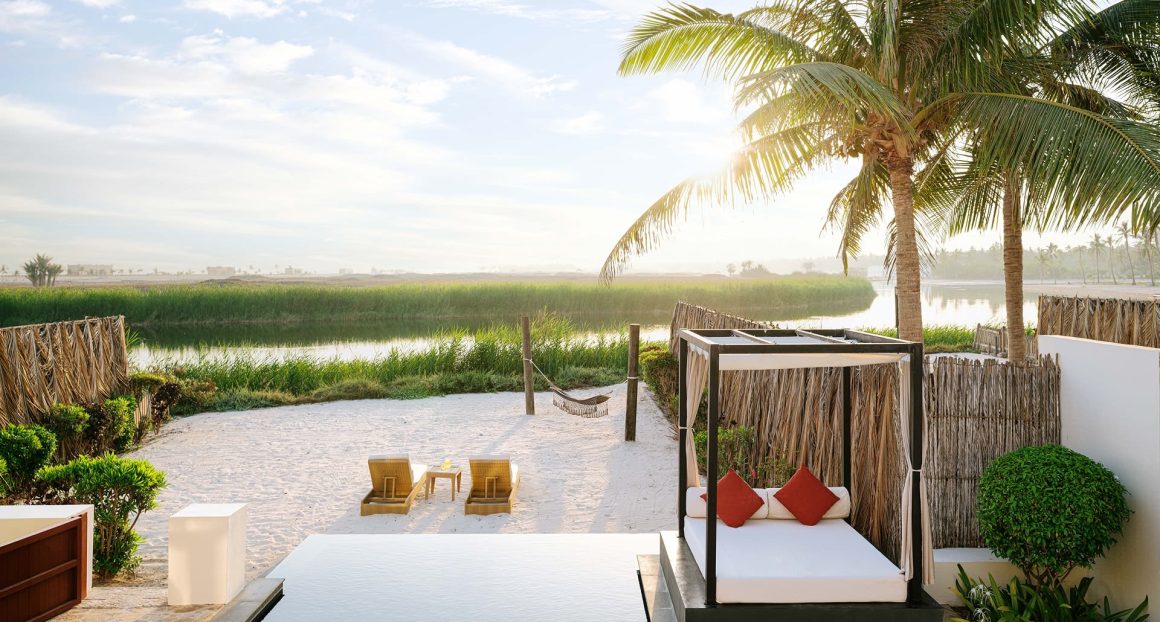
Luxury in Salalah often begins with the setting itself. At Al Baleed Resort Salalah by Anantara, villas sit between the beach and a freshwater lagoon, with options ranging from garden villas to a Three Bedroom Royal Beach Pool Villa of 630 sqm with views of both sea and lagoon. Selected villas have temperature-controlled private pools.
The resort’s spa adds a local dimension through its Frankincense Ritual, a four-hand treatment using oil sourced in Salalah.
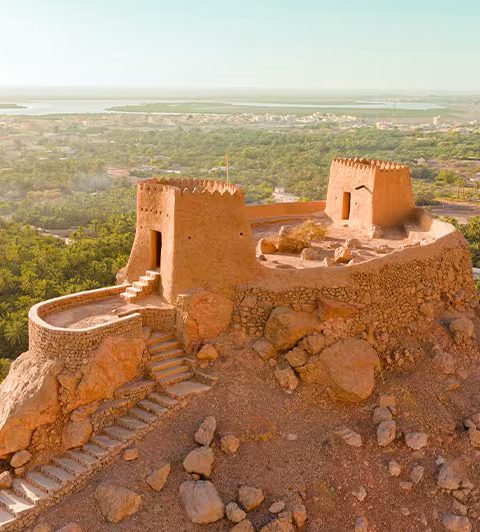
Al Baleed Archaeological Park
“Start your trip at Al Baleed Archaeological Park, a key site in the UNESCO World Heritage-listed Land of Frankincense. Walk through the ancient ruins and visit the Museum of the Frankincense Land to learn about Salalah’s historic role in the incense trade.”
Source: Gulf News, Zainab Husain, 2026 (link)
UNESCO describes Al Baleed as a fortified harbour on the Indian Ocean coast that traded frankincense for other goods between roughly the 8th and 16th centuries. Finds from the site, including Ming-era Chinese artefacts, point to its role on maritime trade routes.
The park has a visitor interpretation centre, which helps first-time visitors understand the layout of the old town and port.
The Frankincense Trees of Dhofar
“The frankincense tree (Boswellia sacra) is a squat, Dr Seuss-like bush, with curly green leaves and a paper-thin bark. Suhail draws his knife and makes a small incision across one tortured limb, causing milky droplets to bleed from the wound.”
Source: Travel Bulletin, Kerry van der Jagt, 2015 (link)
Inland from the coast, Wadi Dawkah is one of four components of UNESCO’s Land of Frankincense listing, and it is a place where these trees still grow and are harvested. The listing also includes the caravan oasis of Shisr/Wubar and the port of Khor Rori.
A visit to the trees gives context to the resin sold in Salalah’s souks and used in treatments across the city’s spas.
Wadi Darbat in the Khareef
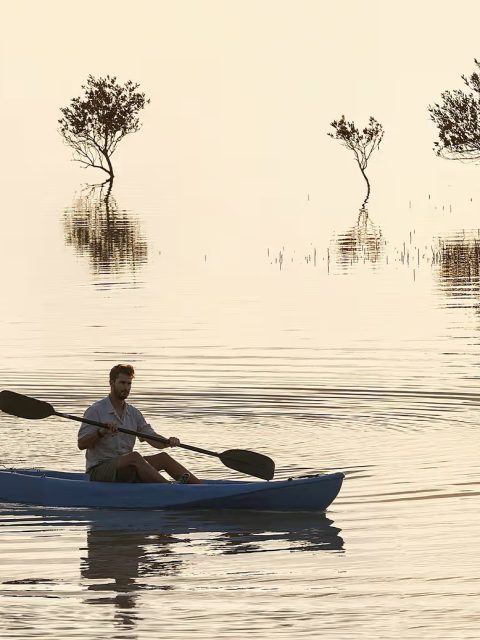
“Considered a must-see and the crown jewel of Salalah’s attractions during the Khareef season, the valley offers visitors a chance to experience nature among emerald lakes, limestone cliffs and seasonal waterfalls. They can rent a kayak or paddleboat and enjoy a calm lakeside ride, or observe the camels roaming freely.”
Source: Khaleej Times, Yasmin Hussein, 2026 (link)
Experience Oman calls Wadi Darbat the most unexpected site in Dhofar, tucked into mountains above Khor Rori just beyond Taqah. During the Khareef from June to September, mist and light showers turn the surrounding hills green.
Regional travel coverage also advises caution on mountain roads during the monsoon months, so a driver familiar with local conditions is a sensible choice.
Wellness and Leisure in Hawana Salalah
East of the city, the Hawana Salalah development brings several beach properties together. Salalah Rotana Resort offers Zen the Spa and the Bodylines Fitness & Wellness Club, alongside two pools and four padel courts, while the adults-only Juweira Boutique Hotel keeps a quieter tone with a private beach and two large pools.
The area suits travellers who want to combine time by the sea with spa sessions and active pursuits during the same stay.
Salalah’s appeal for luxury travellers rests on variety: villa resorts on the sand, frankincense heritage recognised by UNESCO, and wadis that change dramatically with the seasons. Planning around these elements, and around the timing of the Khareef, helps visitors shape a stay that reflects the full character of Dhofar.