
Colonial Kalutara – A few Interesting Facts
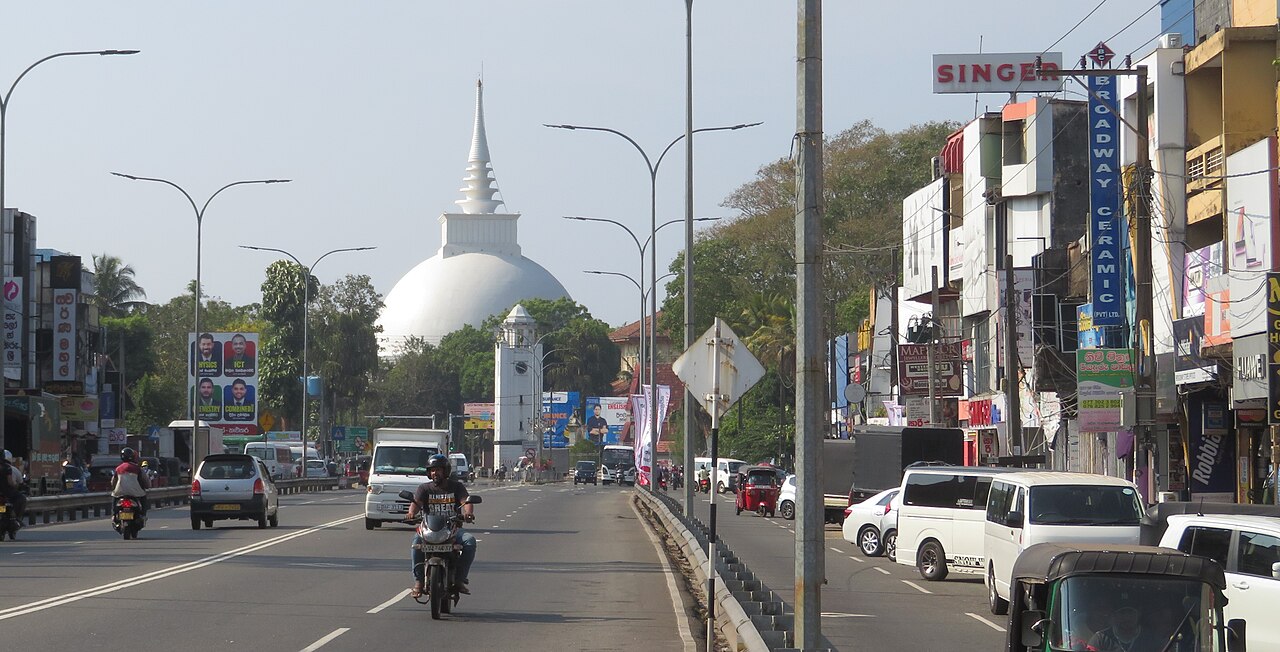
According to Captain Robert Percival’s revelations, Colonial Kalutara wasn’t what it is now. The Journey to Kalutara from Colombo is a tiring one – it is made it so by the sultry heat, and the traffic – the only refuge for tourists travelling south is the comfort of a luxury villa Sri Lanka – ones found in Kalutara are the likes of Anantara Kalutara Resort. Surprisingly, Kalutara during the Colonial era depicts the picture of a shady garden.
A resort for the Dutch and the British
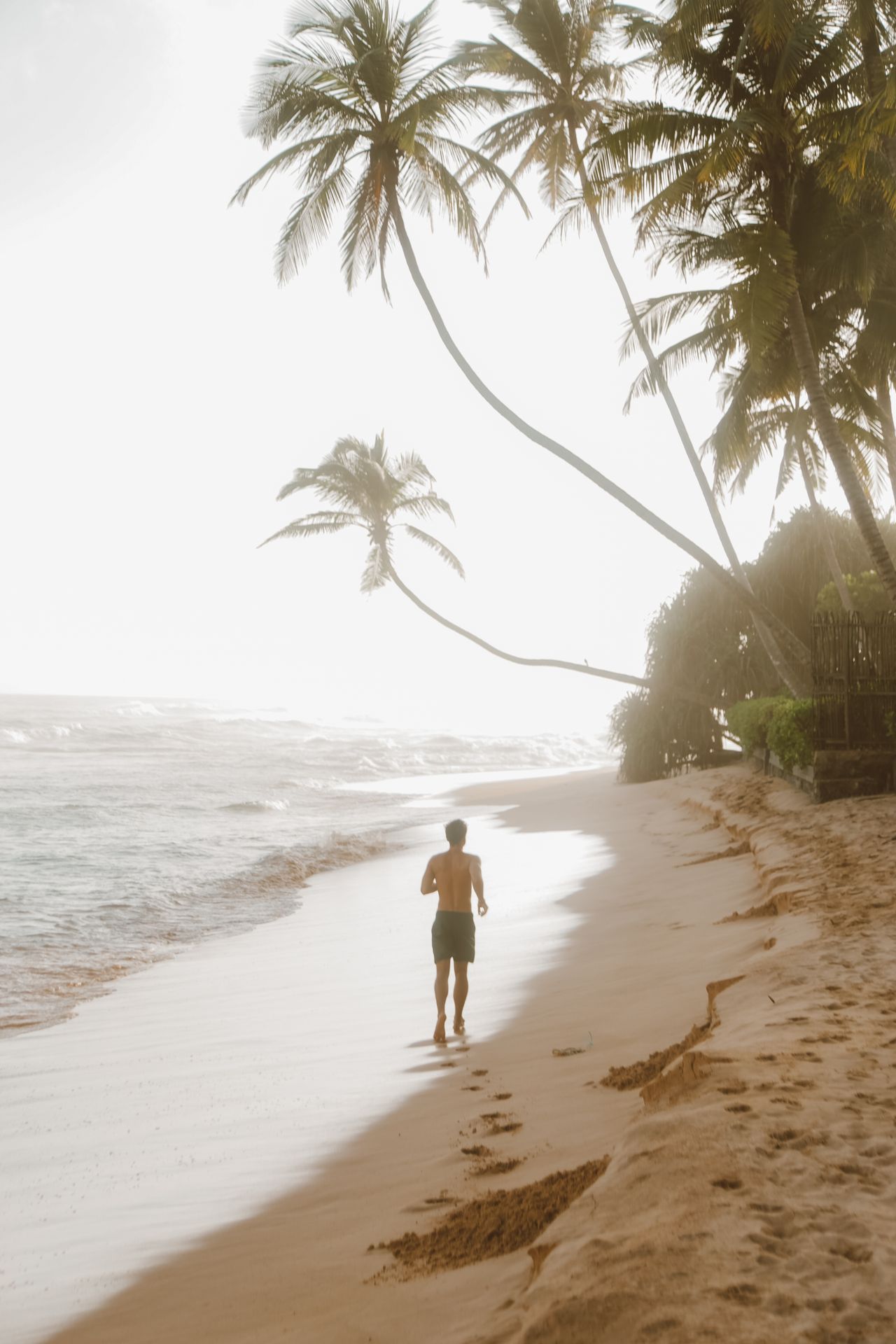
The location made it an excellent sanitarium for the Dutch and the British. Having battled the sultry heat that was felt all over the country, they welcomed the coolness of the sea breeze that swept the region.

Ceylon and its Capabilities
The book written J.W Bennet gives yet another account of Colonial Kalutara.
The fort
The fort mentioned in Percival’s book was built in 17th century by the Portuguese, and it was seized by the Dutch in 1642. The British took possession of the fort in 1815.

The local trade
According to Percival, Kalutara was known for its plantations of sugar canes and the production of arrack.
Damon Starky is a creative nomadic travel writer, who is well informed and experienced on a wide range of interests that would connect to the needs of any type of traveler. Google+