
What to do in Oman
You may find many articles on the internet about touristy things to do in Oman. But no one knows the city like the locals. The third-largest nation on the Arabian Peninsula, Oman is renowned for its unending coastline, formidable mountain ranges, rough canyons, lush oases, and enormous deserts. Here are some of the best things to experience when you’re here.

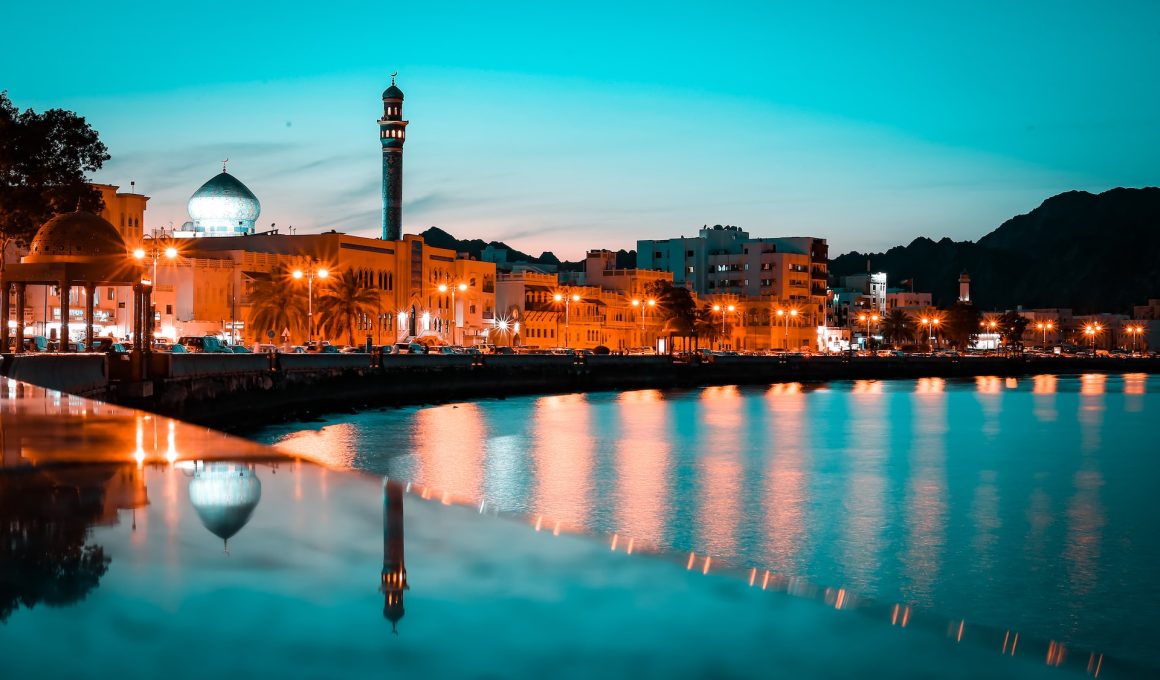
Visit the Mutrah Corniche
Muscat is one of the picturesque cities in Oman that has preserved the old-world charm of the Arabian Peninsula. With the Hajar Mountains framing the city from the south, there are only gleaming white lowrise buildings as far as the eye can see. To maintain this historic façade, it’s prohibited by law to construct tall skyscrapers that you so commonly see in other Middle Eastern cities.
The Sultan Qaboos Grand Mosque
One of the most notable exceptions to the law banning tall structures in Muscat are the tall minarets of mosques. The Sultan Qaboos Grand Mosque, with its 91-meter (300-foot) minaret, stands in the center of Muscat, surrounded by well-maintained gardens and a maze of ornate archways. It’ll be the perfect day trip as the mosque is located about 2 hours away from some of the best hotels in Oman such as the Al Wadi Hotel Sohar.
Snorkel with whale sharks in Damaniyat Islands
The protected archipelago of Damaniyat is a top location for snorkeling and scuba diving since it is home to a variety of sea life, including sea turtles, sharks, old coral reefs, and migratory birds. The best time to see whale sharks is from September to November; it is a once-in-a-lifetime experience.
Float in the Bimmah Sinkhole
The Bimmah sinkhole, one of Oman’s most stunning natural attractions, plunges to a depth of 65 feet (20 meters), creating a tranquil area for swimming and cliff diving close inland from the shoreline on the road to Sur. Sources indicate this underground channel created through the more common process of erosion when water hacked away the limestone bedrock, contrary to some locals who attribute the sinkhole’s formation to a meteorite hit in the region.


